


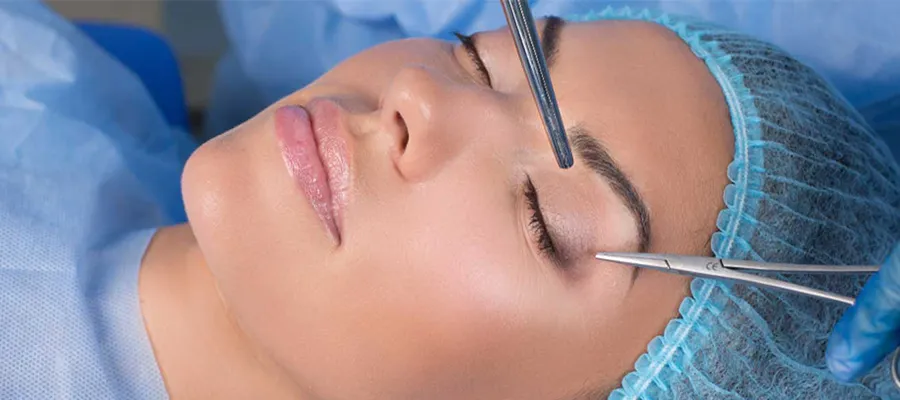
What is Eyelid Surgery?
The area around the eyes is one of the areas where aging is most visible. Over time, sagging, puffiness, and excess skin on the eyelids can give a person a tired, unhappy, or older-looking appearance. Eyelid surgery is a surgical procedure performed to address these issues. Medically known as blepharoplasty, this procedure not only improves the aesthetic appearance but can also prevent sagging upper eyelids from obstructing vision. The procedure revitalizes facial expressions, resulting in a more youthful, vibrant, and healthy appearance. It’s a cosmetic procedure frequently preferred by both men and women.
Why is Eyelid Surgery Performed?
The skin in the eyelid area loses its elasticity and loosens with age. At the same time, the displacement or accumulation of fatty tissue causes bags. This condition can be uncomfortable not only aesthetically but also functionally. Sagging upper eyelids can narrow the field of vision in some individuals and can cause a feeling of tiredness and heaviness, especially in the evening. Bags in the lower eyelids, on the other hand, create a perpetually tired appearance. Eyelid surgery addresses these problems by removing excess skin and fatty tissue. This results in a more youthful appearance and an improved quality of life. After the surgery, the overall aesthetic balance of the face is maintained, and natural results are achieved.
How is Eyelid Surgery Performed?
Before surgery, the patient’s skin type, muscle condition, and surrounding fat are carefully evaluated. The procedure is usually performed under local anesthesia and takes approximately one to two hours. The surgeon makes small incisions along the natural creases of the eyelids to remove excess skin, muscle, and fat. In lower eyelid surgery, the incisions are made at the base of the eyelashes, making the scars virtually invisible during the healing process. Stitches are removed within a few days, and the patient can usually return to their normal daily lives. Mild swelling and bruising may occur in the first few days after surgery, but these are temporary. Once healing is complete, the area around the eyes will appear firmer, more youthful, and smoother.
Differences Between Upper and Lower Eyelid Surgery:
Upper eyelid surgery generally targets sagging skin, loosened muscles, and excess fat. This results in a more open and vibrant look for the eyes. It particularly lifts the sagging eyelid lines that sag with age, giving the patient a more youthful appearance. Lower eyelid surgery, on the other hand, addresses under-eye bags, puffiness, and excess skin. This procedure results in a flatter, smoother, and brighter under-eye appearance. Both procedures can be performed alone or in conjunction to achieve a holistic facial aesthetic. With proper planning, the patient achieves both aesthetically and functionally satisfactory results.
Who is a Candidate for Eyelid Surgery?
Over time, aesthetic and functional problems such as sagging, bagginess, or looseness of the eyelids can occur. While this condition is most common in people aged 35 and over, it can also occur at a younger age due to genetic factors. Those experiencing a tired appearance around their eyes, a narrowed field of vision, or aesthetic discomfort are suitable candidates for eyelid surgery. Before the surgery, their general health is assessed, and conditions such as chronic diseases or the use of blood thinners are taken into consideration. Highly successful results are achieved in healthy individuals and those with suitable skin types.
What are the advantages of eyelid surgery?
Eyelid surgery is an effective surgical procedure that significantly rejuvenates the facial expression. After the surgery, the patient achieves a more vibrant, vigorous, and rested appearance. When sagging upper eyelids are eliminated, the eyes become more defined and the field of vision is expanded. By eliminating bags in the lower eyelids, a tired look is replaced by a refreshed appearance. Post-operative scars are hidden within the natural creases, making them aesthetically unnoticeable. Furthermore, the long-term results are permanent. In this respect, eyelid surgery stands out as one of the most natural and effective methods of facial rejuvenation.
Is Eyelid Surgery Risky?
As with any surgical procedure, eyelid surgery carries certain risks. However, when performed by an experienced plastic surgeon under appropriate conditions, the risk is quite low. Short-term bruising, swelling, or a slight feeling of tightness may occur after the surgery. These effects usually subside within a few days. Although rare, complications such as infection, asymmetry, or temporary blurred vision can occur. Carefully following the doctor’s recommendations will speed up the healing process and minimize potential risks. Regular checkups will monitor the results, and minor adjustments can be made if necessary.
How Long Does the Surgery Take?
The duration of eyelid surgery can vary depending on the extent of the procedure. While upper eyelid surgery alone typically takes 45 minutes to an hour, it can take up to two hours if both upper and lower eyelids are treated simultaneously. The surgery is usually performed under local anesthesia, and the patient can be discharged the same day. A few days of rest are recommended after the procedure, and swelling and bruising will subside quickly. Stitches are removed approximately one week later, and the patient can easily return to their normal lives. While full recovery can take two to three weeks, aesthetic results are usually noticeable within the first week. During this period, the eye area is protected, regular care is provided, and sun exposure is recommended.
The Recovery Process After Eyelid Surgery:
The body’s natural healing mechanism kicks in after the surgery, and this process can vary from person to person. It’s quite normal to experience mild swelling, bruising, and a feeling of tightness around the eyes in the first few days after surgery. These symptoms usually subside within a few days and largely disappear by the end of the week. Applying a cold compress to the eye area for the first 48 hours both reduces swelling and accelerates healing. Stitches are usually removed within 5 to 7 days, after which the patient can comfortably return to their daily routine. Maintaining eye hygiene, protecting the area from sunlight, and regularly using the doctor’s recommended care products all contribute to the healing process. After an average of 2-3 weeks, the eye area will appear firmer, smoother, and more youthful. Careful attention and eye protection during this period will ensure the long-term aesthetic results.
Is Eyelid Surgery Permanent?
The results generally last for many years. The excess skin, muscle, and fat removed during surgery do not return, so the procedure creates a permanent rejuvenation effect. However, as the human body continues to age, the skin may experience a natural relaxation process. However, the aesthetic appearance achieved after surgery lasts much longer than before. A person’s lifestyle, genetic factors, sun exposure, and skin care all influence this longevity. A healthy diet, regular sleep, and avoiding harmful habits like smoking support these results. Eyelid surgery performed with appropriate techniques naturally rejuvenates the face and maintains a largely youthful appearance over the years.
Eyelid Surgery Prices 2025
Eyelid surgery prices in 2025 generally range between 2,000 USD and 5,000 USD, depending on procedure type and clinic standards. This operation, also called blepharoplasty, removes excess skin and fat around the eyelids to create a younger appearance. Costs vary with whether upper, lower, or both eyelids are treated, along with anesthesia and surgeon’s expertise. Additional treatments, such as brow lift or skin tightening, may raise the total cost. On average, eyelid surgery offers long-lasting aesthetic and functional improvements by rejuvenating the eye area effectively.
When Does Bruising After Eyelid Surgery Go Away?
It’s quite normal to experience bruising and mild swelling around the eyes in the first few days after surgery. This is due to the healing process of the tiny blood vessels beneath the skin. Bruising usually diminishes significantly within 5 to 7 days, and is almost completely gone by the 10th day. Regularly applying cold compresses in the first few days helps the swelling and bruising subside more quickly. Keeping your head slightly elevated and reducing your salt intake also supports this process. Avoid applying pressure to the eye area or rubbing it during the healing process. With proper care, the skin will quickly regain its normal color, and the area around your eyes will regain a more vibrant appearance.
Is Eyelid Surgery Painful?
Because local anesthesia is used during the procedure, there is no pain. After the surgery, you may only experience a slight tightness or stinging sensation. This feeling usually subsides within the first few days. This period can be easily overcome with simple painkillers recommended by your doctor. The vast majority of patients recover without significant pain after eyelid surgery. A quick return to social life is also a comfortable aspect of this procedure. Special care recommendations for the eye area and a period of rest minimize any potential discomfort.
Will the surgery leave scars?
The incisions made during the procedure are made along the natural creases of the eyelids. Therefore, the scars are virtually invisible after healing. While visible as a faint pink line in the first weeks, they fade to skin color within a few months. Regular wound care, moisturizing creams, and sun protection help the scars heal more quickly. When performed by experienced hands, the surgical procedures are aesthetically pleasing, leaving no visible scars. Because the eyelid area is thin, the skin heals quickly, resulting in a natural appearance.
Does the Social Security Institution (SGK) cover eyelid surgery?
The Social Security Institution (SGK) only covers eyelid surgery for medical reasons. This means that if the procedure is for a functional rather than cosmetic purpose, a portion of the cost may be covered by the SGK. For example, if sagging upper eyelids are restricting a person’s field of vision or if ptosis is affecting their quality of life, this is documented in a report and government support is provided. However, procedures performed solely for aesthetic purposes are not covered by the SGK. An evaluation is made based on the cause of the eyelid problem, and a personalized treatment plan is then planned for the patient.
When Can You Apply Makeup After Eyelid Surgery?
After the procedure, you should wait for the skin and suture lines to heal completely. Light makeup can generally be applied 10 to 14 days after surgery. However, this timeframe may vary depending on individual healing. Applying cosmetics around the eyes in the first few weeks can cause irritation or infection. Therefore, it is recommended that you avoid makeup without a doctor’s approval. After the skin has healed, water-based, hypoallergenic, and easy-to-clean products should be preferred. Makeup removal should be gentle, and pressure should be avoided on the eyelid area. With proper care and patience, the healing process progresses smoothly and the aesthetic result is long-lasting.