


What is Orthodontics?
Orthodontics is a branch of dentistry that aims to correctly align teeth and jaws, creating an aesthetically pleasing and functional oral structure. This field corrects tooth misalignments, jaw imbalances, and bite problems. Orthodontics not only creates an aesthetically pleasing smile but also improves chewing, speech, and oral hygiene. Properly aligned teeth make brushing more effective and reduce the risk of cavities and gum disease. Orthodontic treatment can begin in childhood and can be safely applied to adults. We create personalized orthodontic treatment plans to create an ideal oral structure, both aesthetically and functionally, and achieve a healthy and balanced smile.
Why is Orthodontic Treatment Performed?
Orthodontic treatment is performed to correct irregularities in the teeth and jaw structure, eliminate functional problems, and achieve aesthetic balance. This treatment is necessary for cases of misaligned teeth, misaligned jaws, excessive tooth spacing, or misalignment of the upper and lower jaws. Additionally, conditions such as teeth clenching, temporomandibular joint pain, or speech problems may also require orthodontic intervention. Treatment not only aligns teeth aesthetically but also improves chewing function by closing correctly. This, in turn, has a positive impact on digestive health. We provide comprehensive orthodontic treatments that not only improve appearance but also oral function, ensuring lasting results.
How Is Orthodontic Treatment Applied?
Orthodontic treatment begins with a detailed examination of the teeth and jaw structure. Panoramic X-rays, digital measurements, and photographs are taken to develop a personalized treatment plan. Fixed or removable orthodontic appliances (such as braces or clear aligners) are then used to align the teeth. Traditional metal braces, aesthetic ceramic braces, or clear aligner systems (such as Invisalign) are chosen depending on the patient’s needs. The average treatment period is 12 to 24 months; however, this period may be longer depending on the tooth structure and the degree of deformity. Regular checkups ensure the braces are adjusted and the teeth are guided into the correct position. We utilize digital orthodontic techniques to make the treatment process more comfortable and ensure the best results, both aesthetically and functionally.
When Do You Need Orthodontic Treatment?
Orthodontic treatment is used in cases such as crooked or spaced teeth, misalignment of the upper and lower jaws, jaw asymmetry, open bite, teeth clenching, or jaw joint pain. Furthermore, habits such as thumb sucking, lip biting, or prolonged pacifier use in children can negatively impact jaw development; in such cases, early orthodontic intervention is recommended. In adults, orthodontics are also used to replace teeth after tooth loss or for aesthetic smile design. Untreated tooth alignment can lead to tooth wear and jaw joint problems. We guide jaw development with early diagnosis, creating a healthy, balanced, and aesthetically pleasing dentition in children and adults.
What are Orthodontic Treatment Methods?
Orthodontic treatment consists of various methods used to correct irregularities in the teeth and jaw structure. The treatment method is determined by the patient’s age, the condition of the teeth, and their aesthetic expectations. Classic metal braces are the most commonly used treatment method and provide significant tooth movement. Ceramic braces have a more aesthetic appearance than metal wires and are less noticeable because they match the tooth color. Lingual orthodontics involves placing the wires behind the teeth, making them invisible from the outside. One of the most popular options in recent years is Invisalign. This method uses clear, removable trays that gradually move the teeth. It offers significant advantages in both aesthetic and comfort. In some cases, early orthodontic appliances or jaw expansion devices are used to support jaw development in children. We carefully analyze each patient’s dentition and determine the most appropriate orthodontic treatment method, achieving a balance of both aesthetics and functionality.
How Long Does Orthodontic Treatment Take?
The duration of orthodontic treatment varies depending on the degree of dental irregularity, the patient’s age, and the method used. For simple alignment issues, treatment can take 6 to 12 months, while for more advanced jaw structure, it can take up to 18 to 30 months. Clear aligner treatments generally produce results more quickly because each aligner facilitates a specific tooth movement. Regular dental checkups, proper use of the appliances, and adherence to hygiene guidelines are crucial for the success of the treatment. We ensure a comfortable treatment process for our patients and ensure effective results are achieved quickly through regular follow-ups at every stage.
At What Age Can Orthodontic Treatment Be Undertaken?
Orthodontic treatment can be performed at any age, but the type and method of treatment vary depending on age. In children, treatment generally begins around age 6-7 because this is when primary teeth begin to fall out and permanent teeth begin to erupt. Early diagnosis can guide jaw development, preventing the need for more complex treatments later in life. Orthodontic treatment is most effective during adolescence, as growth continues. For adults, aesthetic orthodontic treatments are quite common. Clear aligners or tooth-colored braces allow for discreet correction of teeth. Even at an advanced age, orthodontic treatment can be safely performed as long as the gums are healthy. We offer orthodontic solutions suitable for all ages, from children to adults, ensuring a perfect smile while preserving the natural aesthetics of the teeth.
Things to Consider During Orthodontic Treatment:
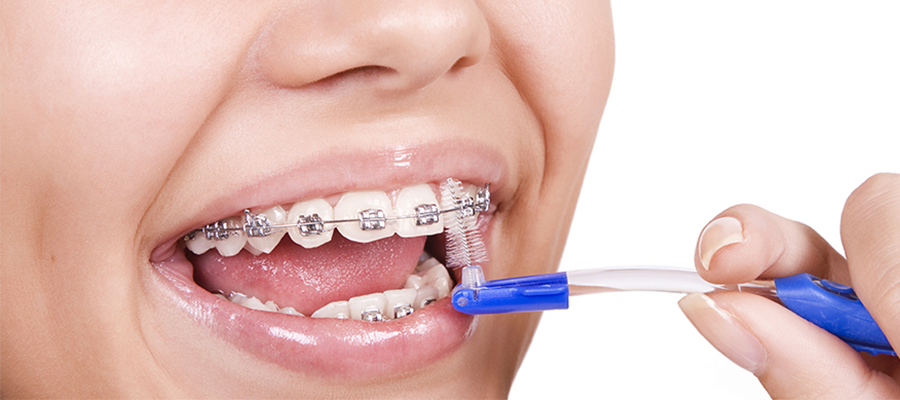
Orthodontic treatment is most successful with meticulous care and regular checkups. People who wear braces or clear aligners should prioritize oral hygiene. Teeth should be brushed at least twice a day, and special brushes or dental floss should be used for the spaces between the braces. Sugary and sticky foods should be avoided as they can damage the braces. Hard foods (e.g., nuts, ice, hard fruits) can also cause the wires or brackets to break.
Regular checkups should be maintained throughout treatment; these checkups are crucial for adjusting the wires and monitoring the direction of tooth movement. Patients who wear clear aligners should only remove their aligners when eating and wear them throughout the day. We guide our patients through every stage of the orthodontic treatment, providing detailed information to ensure a smooth and healthy smile.
Is Orthodontic Treatment Permanent?
Orthodontic treatment, when completed correctly, offers permanent results. However, attention should be paid to the retention period after treatment to ensure the teeth maintain their new position. During this period, fixed or removable protective aligners are generally used. These aligners prevent the teeth from shifting to their previous positions and help stabilize them. Regular post-treatment checkups and good oral hygiene also support permanent results. While the tendency for teeth to move decreases with age, some individuals may experience minimal shifting naturally. Therefore, it is crucial to wear protective aligners for the recommended period. We create follow-up programs to protect our patients’ dentition after treatment, ensuring that the aesthetic and functional results achieved last for many years.
Orthodontic prices 2026
in 2026 generally range between 1,500 USD and 6,000 USD, depending on treatment type and duration. Traditional metal braces are usually more affordable, while ceramic braces or clear aligners like Invisalign cost more. The complexity of the dental problem, treatment length, and the orthodontist’s expertise directly affect the final price. Additional check-ups, retainers, or adjustments may also influence overall costs. On average, orthodontic treatments provide long-term benefits by correcting teeth alignment, improving oral function, and enhancing smile aesthetics effectively for both adults and children.
Is Orthodontic Treatment Painful?
Orthodontic treatment is generally not painful, but you may feel some slight pressure or tenderness for the first few days as your teeth begin to move. This is completely normal as your teeth are being adjusted to their new positions. Mild pain during this period usually subsides within a few days. Special protective waxes are used throughout the treatment to address any minor irritations that may occur on the gums or inside your cheeks. Clear aligner treatments, however, offer much less discomfort. We offer our patients appropriate care recommendations to ensure the most comfortable orthodontic experience possible, ensuring a painless and safe treatment experience.
Are Braces Mandatory?
Braces are not mandatory in orthodontic treatment, as various treatment options are available today. However, depending on the degree of dental deformity, braces are still one of the most effective solutions. Clear aligners may be sufficient for minor misalignments, gaps in teeth, or aesthetic corrections. However, for severe jaw misalignments, crossbites, or severe tooth misalignments, traditional braces are a more appropriate option. A detailed examination and x-ray evaluation are necessary to determine which method is appropriate. We create personalized treatment plans for each patient’s dentition and determine the most appropriate method for both aesthetics and functionality.
Can Clear Aligners Solve Every Problem?
While clear aligners offer significant aesthetic advantages, they may not provide an adequate solution for every orthodontic problem. They offer highly successful results for mild to moderate tooth misalignments, gaps, or minor alignment issues. However, in complex cases such as severe jaw misalignments, severe crowding, or rotation of teeth, braces are more effective. Clear aligners are highly effective when used regularly and correctly, but they must be worn for the recommended period. We carefully analyze each patient’s needs, determine which method will yield the most effective results, and create personalized orthodontic treatment plans.
Does the Social Security Institution (SGK) cover orthodontic treatment for adults?
Because
the Social Security Institution (SGK) generally considers orthodontic treatment for aesthetic purposes, it does not cover it for adults. However, for children under 18 with severe jaw deformities or functional problems, treatment may be covered by the SGK under certain circumstances. Certain procedures can be performed free of charge at public hospitals or SGK-affiliated dental clinics. Clear aligners or aesthetic braces performed at private clinics are not covered by the SGK. Contact us for a quote to learn about private clinic orthodontic costs for 2025 and to plan the best fit for you.
Will Teeth Shift Again After Treatment?
After orthodontic treatment is completed, a protective period is required to prevent teeth from shifting back to their previous positions. During this period, fixed or removable retainers are used. These retainers secure the teeth in their new positions and prevent them from shifting backwards. If this protective phase is neglected, minor tooth movement can occur over time. Regular dental checkups and the use of retainers for the recommended duration eliminate this risk. We also meticulously monitor the post-treatment process and provide our patients with guidance to ensure long-term stability.