


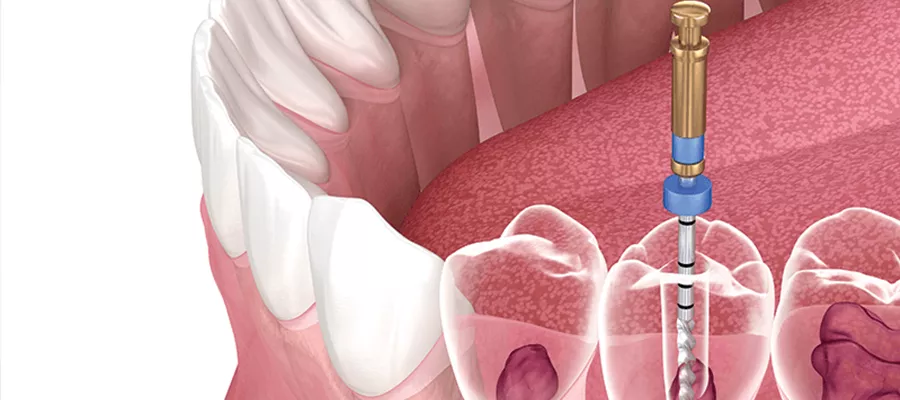
What is Single Session Root Canal Treatment?
Thanks to advancements in dentistry technology and treatment approaches, root canal treatments can now be completed more quickly. One such procedure is the single-session root canal, a fast and effective solution that typically takes a single appointment.
While traditional root canal treatment can be spread over several appointments, modern equipment and advanced disinfection techniques have made the process often complete in a single appointment. This treatment begins with a detailed evaluation of the tooth’s condition, followed by the cleaning of infected or inflamed pulp tissue, shaping, and filling of the canals. All of these steps are carefully and systematically completed on the same day.
The success of this method is directly related to accurate diagnosis, adequate cleaning, and the use of effective filling materials. This method offers a rapid solution, especially for patients with limited time, and also increases patient comfort.
In which cases is single session root canal treatment applied?
Because each patient’s oral structure and dental condition are unique, the feasibility of such treatments is evaluated on an individual basis. Successful results can be achieved in a single session, particularly in cases where the infection is localized and has not spread within the root canal.
This method is generally preferred in the following cases:
Cases where the tooth is alive but has suffered serious damage,
Newly onset root canal infections,
Infections where the pulp tissue is affected due to deep caries but has not spread,
Teeth that have not had root canal treatment before,
Situations where patient compliance and appointment scheduling are appropriate.
For more complex infections, advanced apical lesions, or failed previous root canal treatment, multiple sessions may be preferred. This decision is based on the dentist’s clinical evaluation.
How is Single Session Root Canal Treatment Performed?
First, the patient’s complaints are listened to, and a detailed examination is performed. If necessary, X-rays are taken to assess the tooth’s root structure and the extent of the infection. Once a decision is made regarding treatment, the procedures begin.
First, the area surrounding the tooth is isolated, and local anesthesia is applied to ensure patient comfort. Then, the inside of the tooth is accessed and the infected tissue is carefully removed. The canals are shaped and disinfected using specialized instruments. Modern equipment used in this step shortens the procedure time and increases cleaning efficiency.
Once all canals are properly filled, a temporary or permanent filling is applied. In some cases, a crown may be applied to the tooth after root canal treatment. All of these procedures are completed on the same day. The patient is informed after the treatment and scheduled for a follow-up appointment if necessary.
Differences Between Single and Multi-Session Root Canal Treatment
While both methods serve the same basic purposes, they differ in terms of process, application method, and intended use. A single-session procedure saves time and increases patient comfort. However, it may not be suitable for every situation.
Multi-session treatment is generally preferred for more widespread infections. In the first session, the infected tissue is cleaned, medication is applied, and a temporary filling is placed. The permanent filling is then applied in the second or third session.
While a single-session treatment is advantageous in terms of time management, in some cases, a multiple-session approach may be more effective in completely controlling the infection. Therefore, when choosing between the two methods, not only time but also the health of the tooth should be taken into consideration.
Advantages of Single-Session Root Canal Treatment
In modern dentistry, increasing patient satisfaction and shortening treatment times are paramount. This method is an ideal solution, especially for individuals with busy work schedules.
The prominent advantages of root canal treatment completed in a single session are:
It saves time: The patient does not have to come to multiple appointments.
Patient comfort is high: Since the procedure is completed in a single session, the treatment process is less stressful.
The risk of infection is reduced: Since the channels are closed the same day after being opened, contact with the external environment is minimized.
Less pain: After a well-planned single treatment session, the recovery process is usually faster and painless.
Psychological comfort: This method is more easily tolerated, especially for individuals with a fear of dentists.
For all these benefits to be realized effectively, meticulous planning, proper technique, and the use of high-quality materials are essential during the procedure. Furthermore, regular post-procedure checkups will support the long-term success of the treatment.
How Long Does a Single Session Root Canal Treatment Take?
Root canal treatment times can vary depending on the tooth’s anatomical structure, the number of canals, and the level of infection. While this single-session procedure is often a time-saving procedure, there isn’t a specific timeframe for every patient.
The procedure generally lasts between 45 minutes and 1.5 hours. The procedure is completed more quickly in front teeth due to the fewer canals, while molars may take slightly longer due to the greater number of canals. Thanks to modern endodontic devices, digital imaging systems, and effective disinfection methods, these procedures have become faster and more comfortable.
For treatment to be completed in a single visit, the tooth must have a low infection level and a suitable root structure. The dentist’s preliminary evaluation will determine the duration and success of the procedure.
Will There Be Pain After a Single Session Root Canal Treatment?
As with any dental treatment, some patients may experience mild pain or tenderness after this procedure. This is a natural reaction to the tissue manipulation performed during the procedure.
Post-procedure pain usually subsides within a few days. Sensitivity may be felt during chewing, especially when pressure is applied to the treated tooth. This temporary discomfort can be easily controlled with painkillers recommended by your doctor.
Severe and prolonged pain is rare. In such cases, it may indicate that the infection has not been fully controlled or that the response to treatment is variable. In such cases, it is necessary to contact a dentist and, if necessary, plan additional interventions.
Is Single-Session Root Canal Treatment Safe?
When applied with modern techniques, digital devices, and biocompatible materials, this treatment method is considered quite safe. The doctor’s experience and accurate diagnosis are among the most important factors that increase the success of the procedure.
The tooth’s root structure is examined in detail, the level of infection assessed, and the suitability of a single appointment determined. Once these conditions are met, the root canal cleaning and filling procedures are completed thoroughly. Post-procedure checkups and patient compliance with the care plan ensure the long-term success of the treatment.
Not only technical proficiency but also patient information and accurate communication are crucial for a safe procedure. Clearly sharing the pre- and post-procedure process increases patient satisfaction and prevents potential risks.
What Should You Pay Attention to After a Single Session Root Canal Treatment?
There are some important points to consider after treatment is completed. The care provided during this period can directly impact the success of the treatment.
First, avoid applying pressure to the treated tooth with hard foods for a few days. This will promote tissue healing and reduce sensitivity. Regular oral hygiene should be maintained, including brushing twice a day and flossing.
If symptoms such as pain or swelling exceed normal limits, consult a dentist immediately. Furthermore, a tooth that has undergone root canal treatment often requires a crown after a filling. Not neglecting this step is critical for the tooth’s long-term durability.
Regular checkups are crucial for monitoring the treated area so that any post-procedure complications can be detected and prevented early.
Single Session Root Canal Treatment Prices 2026
Treatment costs can vary depending on factors such as the location of the tooth, the number of roots, the equipment used in the clinic, and the experience of the dentist. Additionally, the filling material used, digital imaging techniques, and the length of the session can also affect the price.
Because both procedure time and technical difficulty vary between front and back teeth, pricing may vary accordingly. Therefore, each patient requires a personalized evaluation. Contact us today for single-session root canal treatment pricing.
Is root canal treatment done in a single session permanent?
This method, applied with proper techniques and adequate disinfection, can maintain its function for many years. Its longevity depends not only on the success of the procedure itself but also on the patient’s attention to oral hygiene, regular checkups, and restorative procedures performed on the tooth.
Applying a filling or crown to protect the tooth from fracture after treatment is a key factor in increasing longevity. The dentist’s experience and the quality of the materials used also play a role in achieving long-lasting results.
Although it’s a quick procedure, the planning and implementation stages require meticulous attention. When all steps are followed thoroughly, the longevity is no different from multi-session treatments.
Is one session appropriate for each patient?
Each patient must be evaluated individually when planning treatment. Many factors, including the tooth’s anatomical structure, the number of canals, the level of infection, and the patient’s general health, play a role in this decision. Some teeth, particularly molars with complex roots or severely infected teeth, may require multiple appointments.
Additionally, for teeth that have previously undergone unsuccessful root canal treatment, a multi-session approach may be preferred, as the procedure requires detailed cleaning and follow-up with medication. Therefore, a single-session treatment decision should only be made by the dentist based on the examination and x-ray results.
Can I eat immediately after a single session of root canal treatment?
After the procedure, it is recommended that you refrain from eating until the local anesthesia wears off. Attempting to eat while the anesthesia is still in effect may cause you to bite your tongue or lip, which can negatively impact the healing process.
Additionally, avoiding pressure on the treated tooth reduces any sensitivity that may occur after root canal treatment. Ideally, a light, soft diet should begin a few hours after treatment, and hard, sticky, or abrasive foods should be avoided for a few days.
In case of severe inflammation, is a single session possible?
In cases of extensive root-end lesions, widespread infections, or abscesses, root canal cleaning and topical medication administration are as crucial to successful treatment. In such cases, a multi-session treatment protocol is generally preferred.
In the first session, infected tissue is cleaned, a medical solution is placed in the canal, and a temporary filling is placed. In the second session, after disinfection is deemed sufficient, a permanent root canal filling is performed. In cases of severe inflammation, a single-session approach is not recommended due to the risk of incomplete infection control.
Is a single session of root canal treatment more painful?
When performed correctly, this method is no more painful than other root canal treatments. Because local anesthesia is used, the procedure is painless. Any mild pain or tenderness that may occur after the procedure usually subsides within a few days and can be controlled with simple painkillers.
Some patients may have a low pain threshold, or the condition of their teeth may affect the level of discomfort after the procedure. However, this procedure is generally not considered painful. When the treatment is carefully managed by the doctor, a comfortable recovery is achieved.
Can a filling or crown be applied to the tooth immediately?
After the root canal filling is completed, a temporary or permanent filling can be placed in the same session. In some cases, a tooth’s structural weakness or the risk of high chewing forces on the back teeth may necessitate the need for a crown.
Based on the evaluation performed by the dentist, the decision is made whether a filling or a crown will be applied. If the tooth is structurally insufficient, a crown is preferred to reduce the risk of fracture in the future. These restoration procedures are crucial for ensuring the success of root canal treatment.
If a single session of root canal treatment fails, can it be repeated?
As with any treatment, this method carries a rare risk of failure. A repeat procedure may be necessary due to factors such as recurrence of infection, remaining debris within the root canal, or the root canal structure not being fully reshaped.
In this case, the root canal is reopened and cleaned, the root apex is treated if necessary, and a new filling is performed. In other words, in the event of failure, the treatment is not completely cancelled; a second procedure, called a revision root canal treatment, can be used to resolve the issue.